
The History of Etzanoa
A thriving city. A forgotten encounter. A land that still holds its secrets.
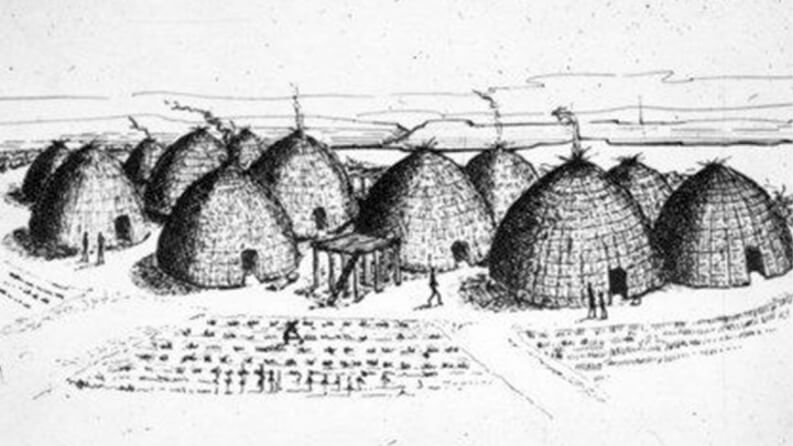
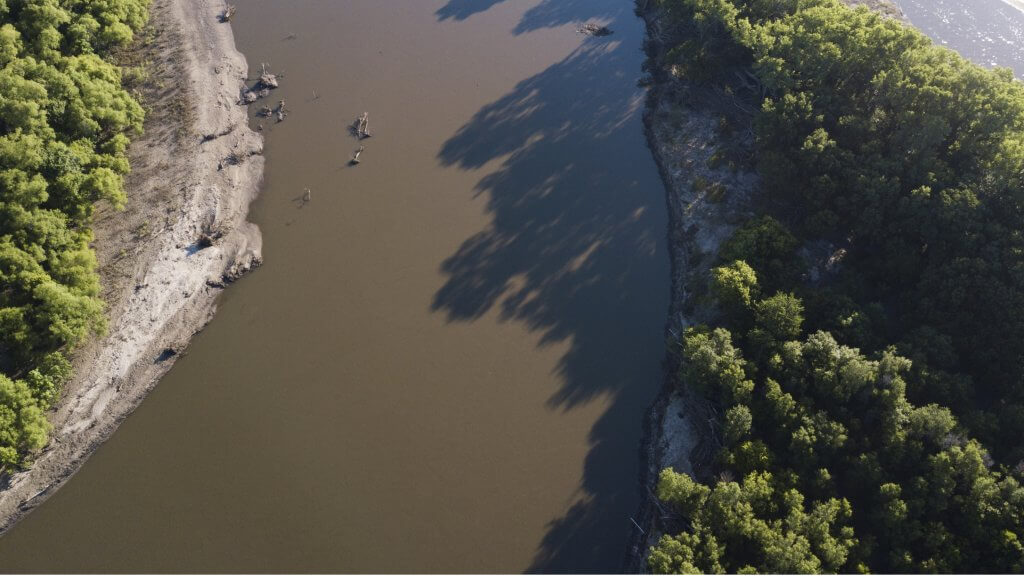
Long before European explorers reached the heart of the continent, a vast community flourished along the meeting of the Arkansas and Walnut rivers. The people who lived here—ancestors of today’s Wichita and Affiliated Tribes—built grass-covered homes, cultivated the land, traded across great distances, and maintained a sophisticated society that stretched for miles.
Archaeological discoveries suggest a population far larger and more organized than early records ever imagined. Life here was vibrant… and largely peaceful. Yet much of how this community functioned, what its people believed, and how they shaped the landscape remains hidden beneath the soil, waiting to be understood.
A Mysterious Encounter
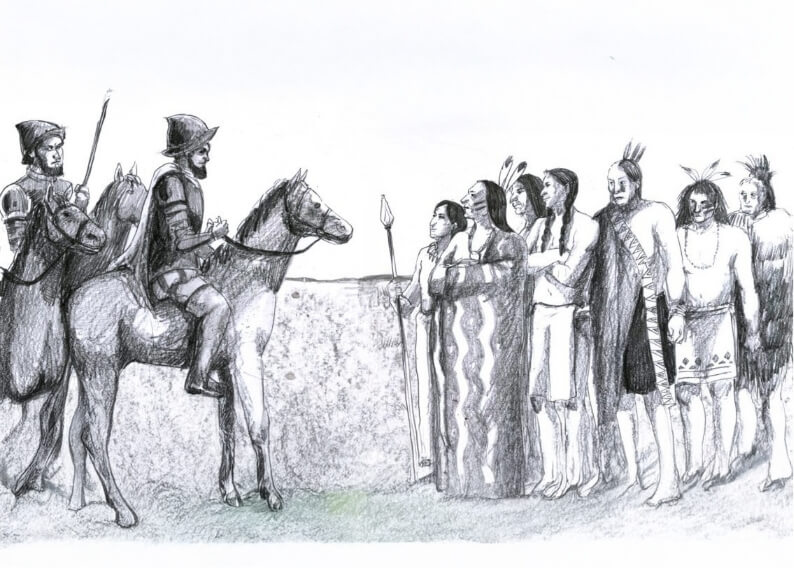
In 1601, Spanish expedition leader Juan de Oñate journeyed northward in search of riches and alliances. What he and his men recorded has puzzled historians for centuries: an immense settlement they claimed extended beyond sight, filled with thousands of residents who lived in well-ordered clusters of dwellings.
Oñate’s accounts speak of tense meetings, unfamiliar customs, and a sense of wonder at the scale of the community. But they also describe confusion, cultural misunderstanding, and a series of events still debated by scholars today.
The truth behind this extraordinary encounter has long been obscured by time—and by the limited perspectives of those who documented it.
A Battle in the River Valley
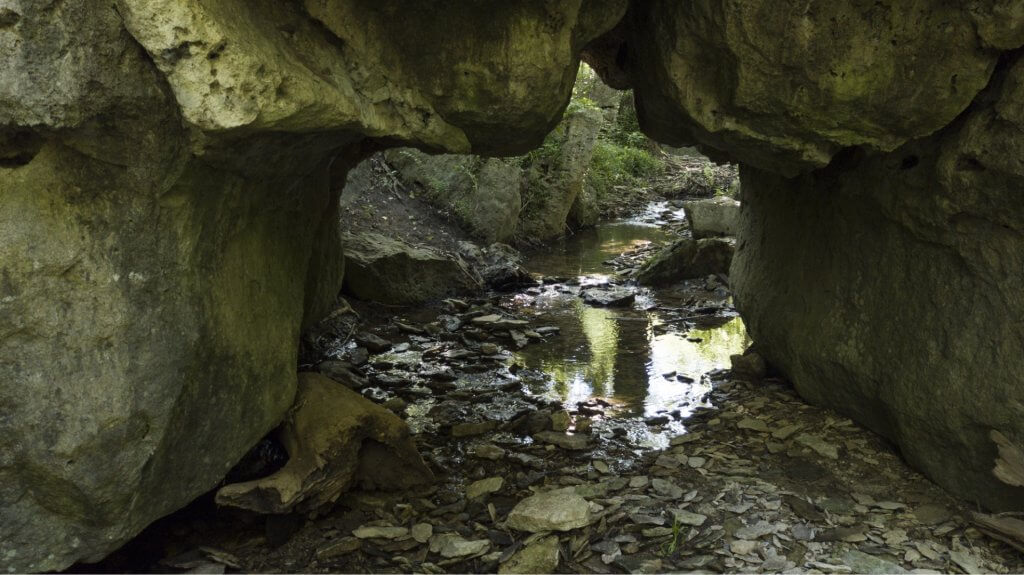
Somewhere near present-day Arkansas City, a conflict unfolded between Oñate’s party and Indigenous warriors. The exact causes, strategies, and outcomes remain partly shrouded in mystery. Early writings offer clues, yet much of what happened can only be pieced together through archaeology and oral tradition.
Modern research has begun to identify the possible site of the clash—known today as “the Battlefield”—but the story is far from complete. Artifacts unearthed here prompt new questions with every discovery. Who was involved? What triggered the confrontation? And what did it mean for the people of the Great Settlement?
The land still holds answers. Each season reveals just a little more.

A Past Still Coming Into Focus
For centuries, the memory of this place faded from maps and textbooks. Only recently have archaeologists, tribal partners, and local historians begun to reconnect the threads of this remarkable history. The discoveries so far hint at a city of extraordinary scale and cultural richness—one that challenges long-held assumptions about Indigenous life on the Plains.
Yet the full story of Etzanoa is far from told. Much remains buried, waiting for those who seek to understand it.

Discover the Rest in Person
The most compelling parts of Etzanoa’s history can’t be fully captured online. Standing on the landscape, seeing the excavation sites, and hearing the story where it unfolded reveals details you won’t find in any summary.
Experience the mystery of Etzanoa for yourself.